
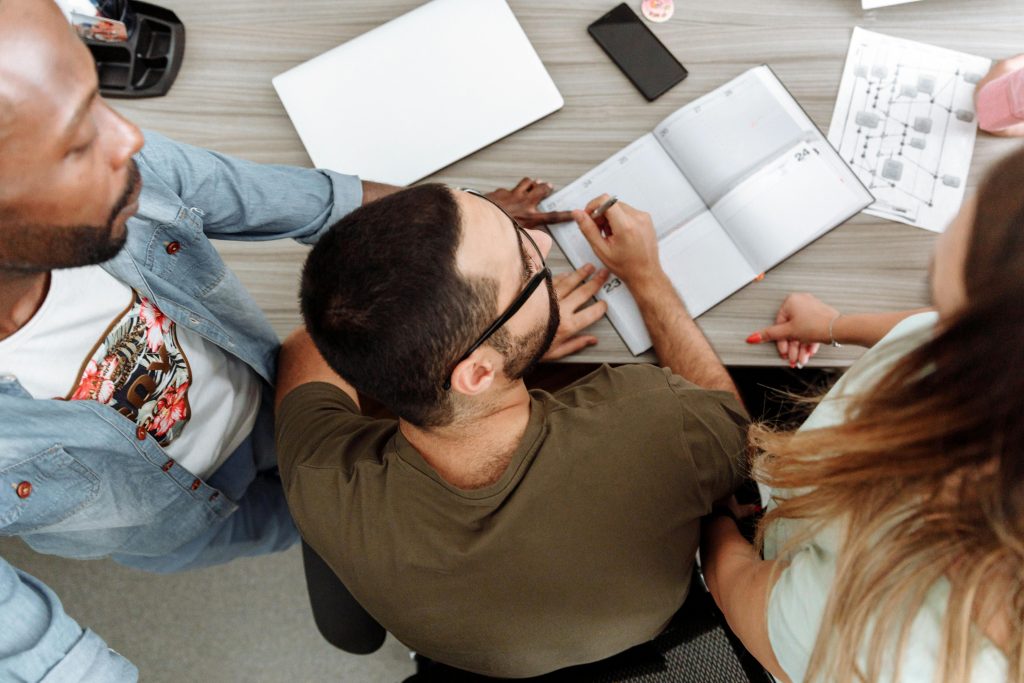

Workplace collaboration sounds simple until you realize your team is stuck in a loop of missed messages, unclear ownership, and meetings that go nowhere. You have the right people. You have the tools. But somehow, the work still feels disconnected.
Everyone is busy, yet nobody feels like they are truly moving in the same direction. It is a frustrating reality for many teams, and the fix is rarely about adding more software or scheduling more check-ins.
So what actually makes teams collaborate well? And how do you create a culture where shared success is not just a slogan but something people experience every day? The answer lies not in grand gestures but in the small, repeated actions that shape how people show up for each other.
Why Working Together Feels So Hard
Most teams do not fail at collaboration because they lack effort. They fail because there is no shared rhythm. People work in different ways, communicate at different speeds, and often have different assumptions about what “good work” looks like. And that disconnect is where workplace collaboration quietly falls apart.
Without clarity on roles and expectations, even talented teams start pulling in opposite directions. Tasks get duplicated. Important updates slip through the cracks. And over time, frustration replaces motivation. The problem is not that people do not want to work together.
It is that the environment does not make it easy to do so. Workplace collaboration breaks down when everyday behaviors are left to chance instead of being built into the flow of work. When there is no structure supporting how people interact, even good intentions fall flat.
Small Habits That Build Stronger Teams
Here is what most people get wrong about teamwork. They think it needs a grand strategy or a complete cultural overhaul. In reality, the teams that collaborate best are the ones that practice small, consistent habits. Things like checking in briefly at the start of the day, sharing updates without being asked, or following up on commitments within a set time frame.
These are not dramatic shifts. They are tiny behaviors that, repeated over time, create a predictable rhythm. That rhythm is what builds trust and coordination. Research in behavioral science backs this up.
The concept of habit formation shows that when small actions become automatic, they reduce friction and free up mental space for deeper thinking. When your team is not constantly guessing what happens next, workplace collaboration starts to feel natural instead of forced.
Platforms like GWork are built around this very idea, helping organizations embed micro-habits into daily routines through tools employees already use.
Feedback Is Not a One-Time Event
One of the biggest barriers to real collaboration is the way most teams handle feedback. It often comes too late, in formal settings that feel more like a performance review than a conversation. By the time feedback arrives, the moment has passed and the behavior has already become a pattern.
Teams that collaborate well treat feedback as a living, ongoing process. They give it in real time, casually and constructively, without waiting for a formal occasion. A quick note after a meeting, a short message acknowledging someone’s contribution, or a direct conversation about what could improve next time.
These moments might seem small, but they are the backbone of workplace collaboration that actually works. They create an environment where people feel safe to speak up, take risks, and grow together.
Building a feedback culture does not require a complete transformation of how your team operates.
It starts with leaders modeling the behavior and team members feeling confident that honesty will be met with respect, not defensiveness. When feedback flows naturally, workplace collaboration improves because people stop guessing and start communicating clearly.
Trust Is Built in the Small Moments
Trust is the invisible thread that holds collaborative teams together. Without it, people hesitate to share ideas, avoid asking for help, and default to working in silos. But trust is not built through team-building retreats or motivational speeches. It is built through small, repeated actions over time.
Showing up when you say you will. Following through on commitments. Being transparent about challenges instead of hiding them. These behaviors, practiced consistently, signal to your team that they can count on each other. And when that trust is in place, workplace collaboration becomes something people lean into rather than resist.
One report found that companies saw a significant rise in proactive communication and shared accountability once they introduced structured daily habits. The shift was not driven by policy changes but by consistent micro-actions that made trust visible and measurable. That is the real power of workplace collaboration built on trust. It compounds over time.
Making Collaboration Work Across Distances
Hybrid and remote work have added a new layer of complexity to how teams work together. When people are not in the same room, it is easy for communication to become uneven. Some voices get heard more than others. Decisions happen without everyone being in the loop. And the casual conversations that once sparked ideas in the hallway simply vanish.
But distance does not have to mean disconnection. Strong workplace collaboration across locations depends on intentional habits rather than constant meetings. Structured async updates, clear documentation of decisions, and regular visibility into what everyone is working on. These patterns help remote team collaboration feel less chaotic and more grounded.
The key is designing routines that keep people aligned without micromanaging them. When teams know what to expect from each other, they can focus on doing great work instead of chasing information. Workplace collaboration in distributed teams works best when the systems supporting it are simple, consistent, and built into the tools people already use.

Culture Is What People Do Every Day
It is tempting to think of culture as something defined in a company handbook or on a careers page. But the truth is that culture is shaped by what people actually do, not what they say they value. A company can claim to prioritize collaboration, but if everyday behaviors do not reflect it, the words are hollow.
The most effective way to shift culture is through healthy workplace habits that reinforce the behaviors you want to see. Instead of vague directives like “be more collaborative,” teams benefit from specific, repeatable actions. Share one update before lunch. Ask a teammate for input before finalizing a decision.
Acknowledge someone’s contribution during a team call. Over time, these habits become the culture. They spread from one person to the next, from one team to another, until shared success is not just an aspiration but a daily experience. That is the real power of embedding workplace collaboration into your culture. It does not require a mandate. It requires repetition.
How Leaders Set the Tone
Leaders play a critical role in shaping how workplace collaboration looks within an organization. When leaders model transparency, actively seek input, and follow through on what they say, it sends a clear message to the rest of the team. Collaboration is not optional. It is how we work here.
But leading by example goes beyond personal behavior. It also means creating the conditions that make collaboration easy. Clear expectations, accessible communication channels, and a willingness to act on feedback all contribute to an environment where people feel supported in working together.
When leaders invest in building these conditions, the benefits ripple across every level of the organization. Effective workplace collaboration does not happen by accident. It happens when the people at the top make it a priority through their own actions and the systems they put in place.
Frequently Asked Questions (FAQs)
1. What Is the Most Important Factor in Workplace Collaboration?
Trust is the foundation. Without it, people hold back ideas, avoid honest conversations, and default to working alone. Trust is built through consistent behaviors like following through on commitments and being transparent about challenges.
2. How Can Small Habits Improve How Teams Work Together?
Small habits create predictability and reduce friction. When everyone follows a shared rhythm, like brief daily updates or timely follow-ups, teams spend less time coordinating and more time doing meaningful work.
3. Why Does Feedback Matter for Collaboration?
Feedback keeps teams aligned. When it flows regularly and informally, people feel safe to share ideas and course-correct early. Without it, small misunderstandings grow into bigger problems.
4. How Do Remote Teams Maintain Strong Collaboration?
Remote teams rely on intentional routines. Async updates, shared visibility into tasks, and clear documentation of decisions help bridge the gap that distance creates. Consistency matters more than constant meetings.
5. Can Culture Really Be Changed Through Daily Actions?
Yes. Culture is the sum of repeated behaviors. When teams adopt small, specific habits that reinforce the values they care about, those habits gradually reshape how the entire organization operates. Workplace collaboration becomes part of the culture when it is practiced, not just promoted.