skip to Main Content


Why Execution Drifts After Decisions Are Made
Most strategies do not fail because they are poorly designed.
They fail because once the decision is made, leadership attention moves on – and execution slowly drifts.
In the early phase, everything looks right.
The strategy is announced. Teams align. Objectives are clear. Meetings reference the decision. Follow-through feels visible and reliable.
Then normal work returns.
Inboxes fill. Priorities compete. Conditions change. Managers stop explicitly reinforcing the decision because “everyone already knows.” Teams begin adapting locally to manage pressure. None of this looks like failure. Nothing breaks loudly.
But execution reliability weakens quietly.
A familiar operational example illustrates this clearly.
A COO introduces a new escalation and review process to reduce operational risk. The rule is simple: certain issues must be escalated within 24 hours and reviewed before work continues.
For the first few weeks, compliance is high.
Leaders see clean dashboards. Escalations happen on time. Confidence builds.
Three months later:
- Some teams delay escalation because the issue “seems manageable”
- Reviews are skipped during peak workload
- Regional teams interpret the standard differently
- Response times vary, but no one flags it as urgent
The strategy has not changed.
The people have not changed.
What changed were the execution conditions that supported follow-through.
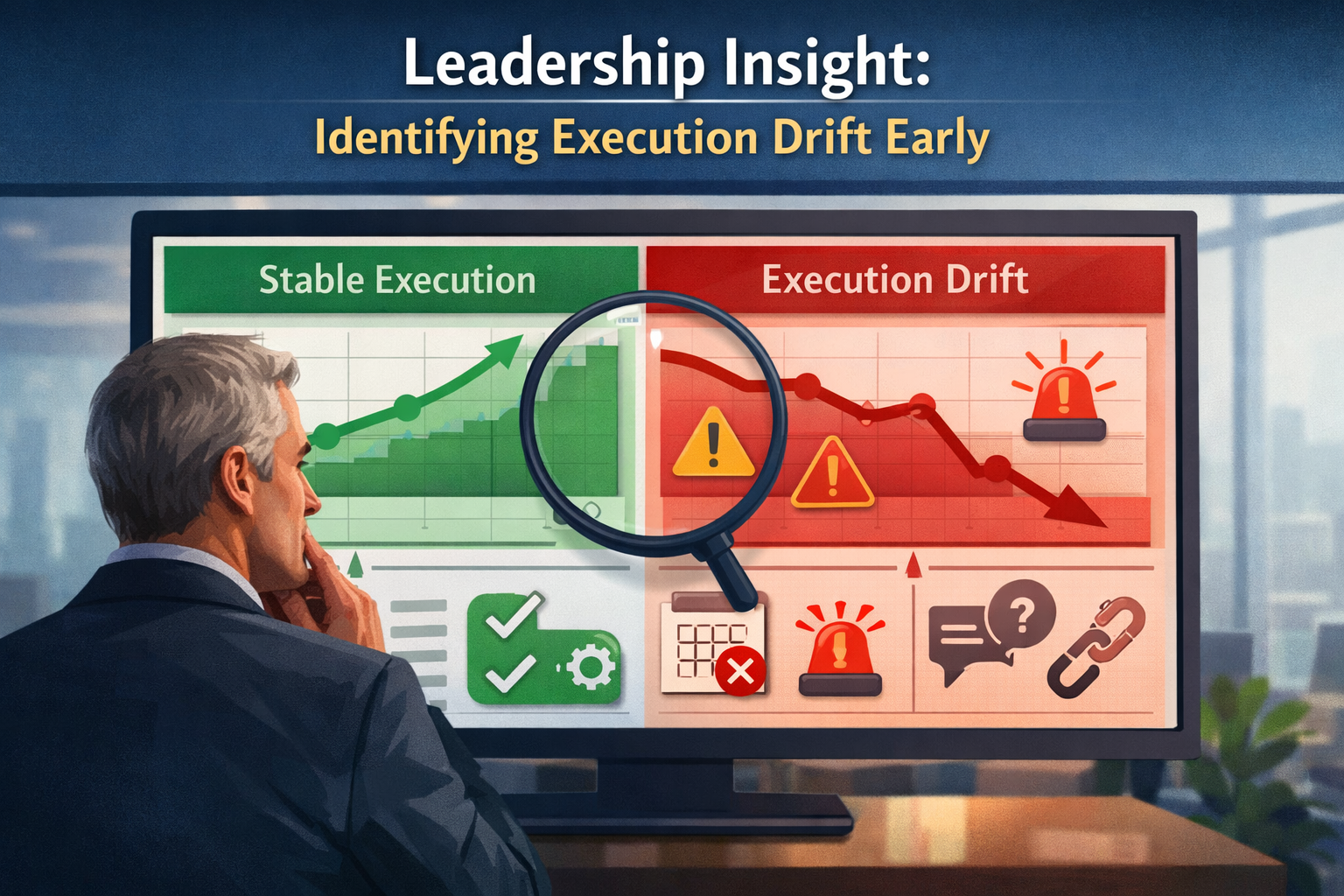
By the time outcomes soften, leadership is already late.
Execution has been drifting while everything still looked acceptable on paper.
This is the execution problem modern leadership must govern.
Leadership Is About Governing Follow-Through, Not Managing People
Leadership is often framed as setting direction, inspiring teams, or driving accountability. That framing pushes execution problems into performance conversations or HR narratives.
But execution rarely fails because people are unwilling or incapable.
It fails because follow-through is not protected once attention shifts.
After a decision is made, leadership’s real responsibility is to ensure that:
- agreed actions continue under real operating pressure
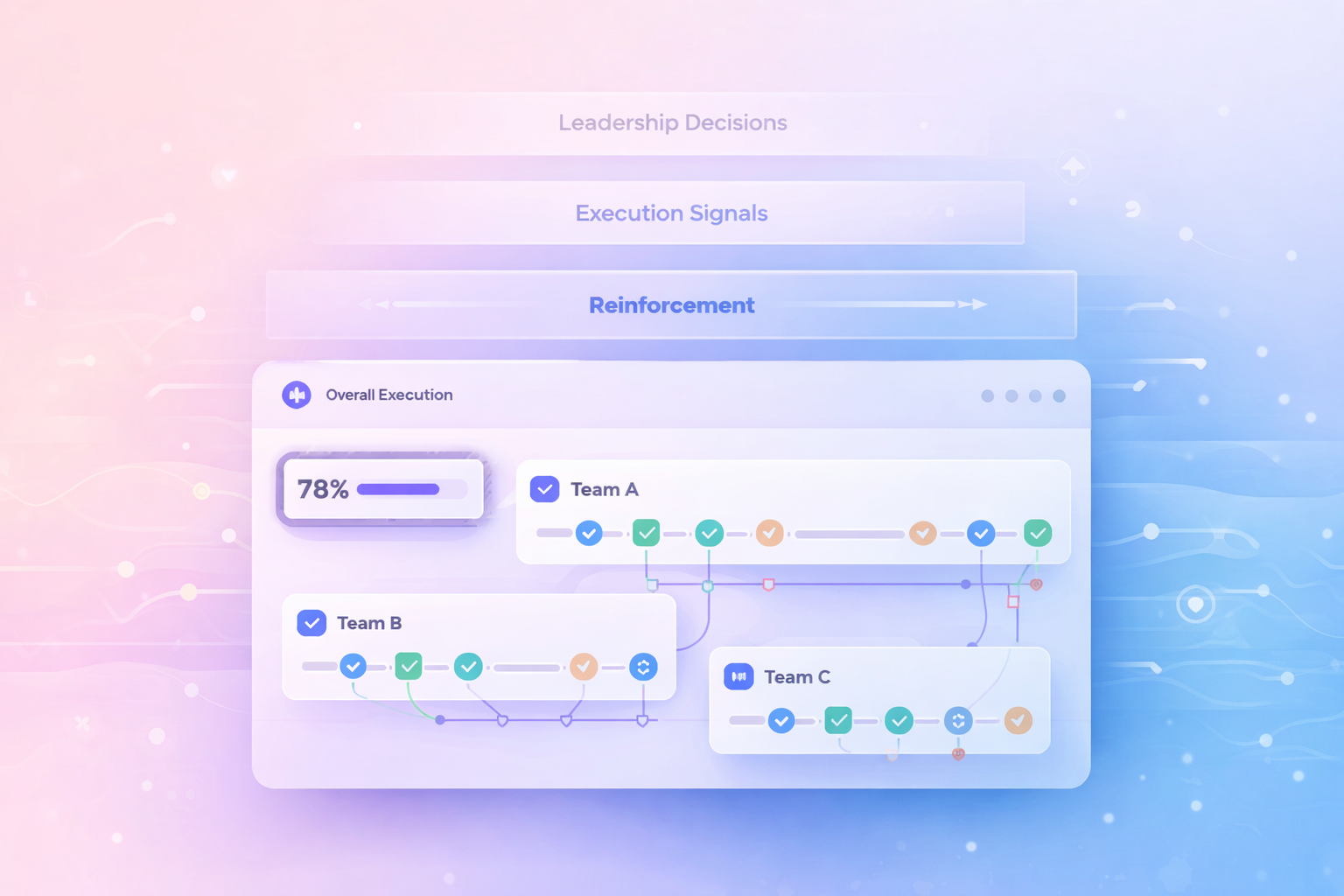
- execution remains consistent across teams
- drift is detected before it affects outcomes
This requires a shift in how leadership views execution.
Critical behaviors are not mindsets or traits.
They are the specific, repeatable actions that translate intent into results:
- when reviews happen
- how escalations are triggered
- what must be validated before a handoff
- where checks cannot be skipped
These actions carry the strategy forward.
When they weaken, outcomes weaken – even if everyone still agrees with the strategy.
The leadership role is not to manage individuals more closely.
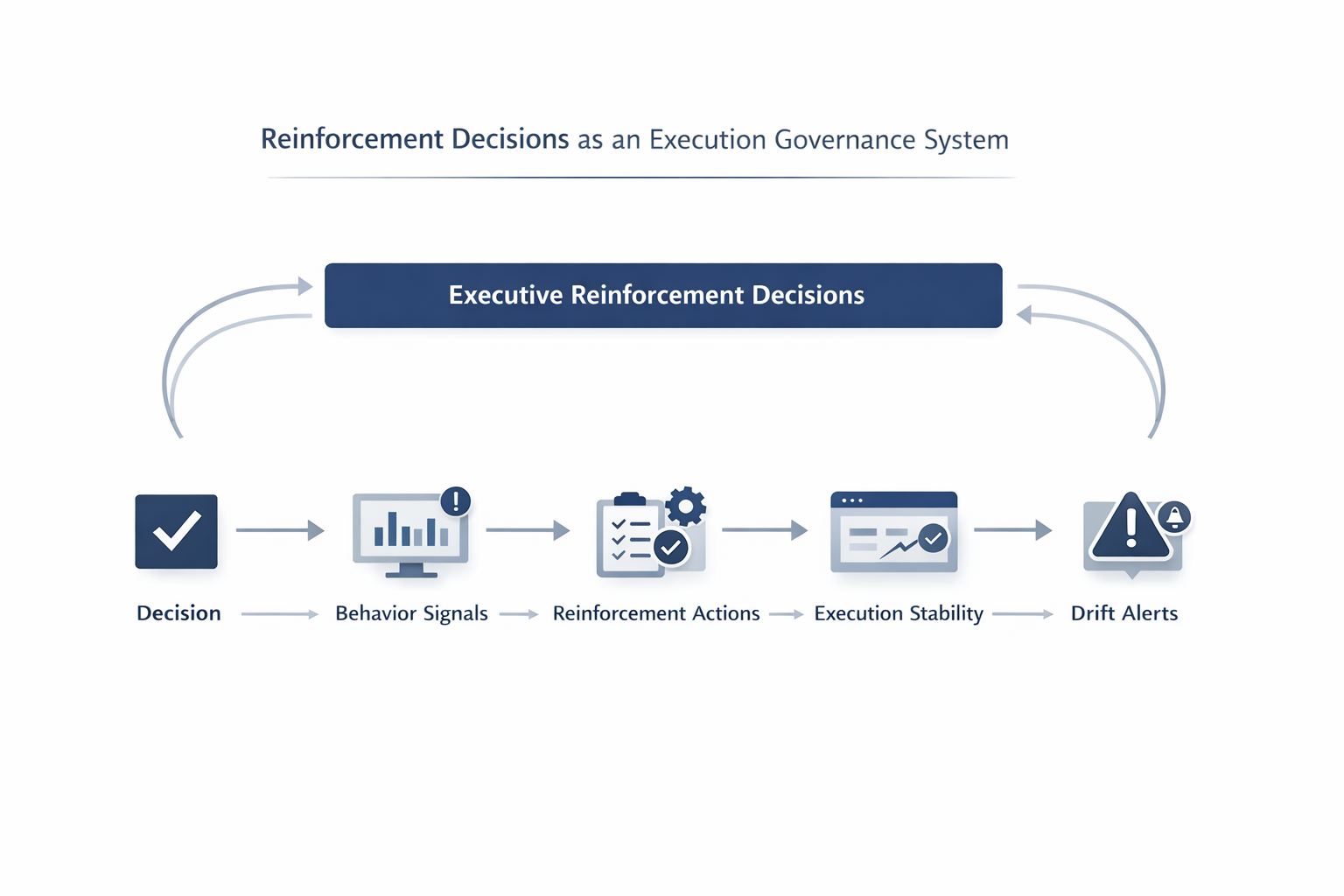
It is to govern the execution system that keeps these actions stable as conditions evolve.
This is execution governance – not control, not surveillance, and not motivation.
Visibility and Reinforcement Are What Keep Execution Stable
Follow-through does not sustain itself.
As time passes:
- urgency fades
- shortcuts emerge
- competing priorities pull attention away
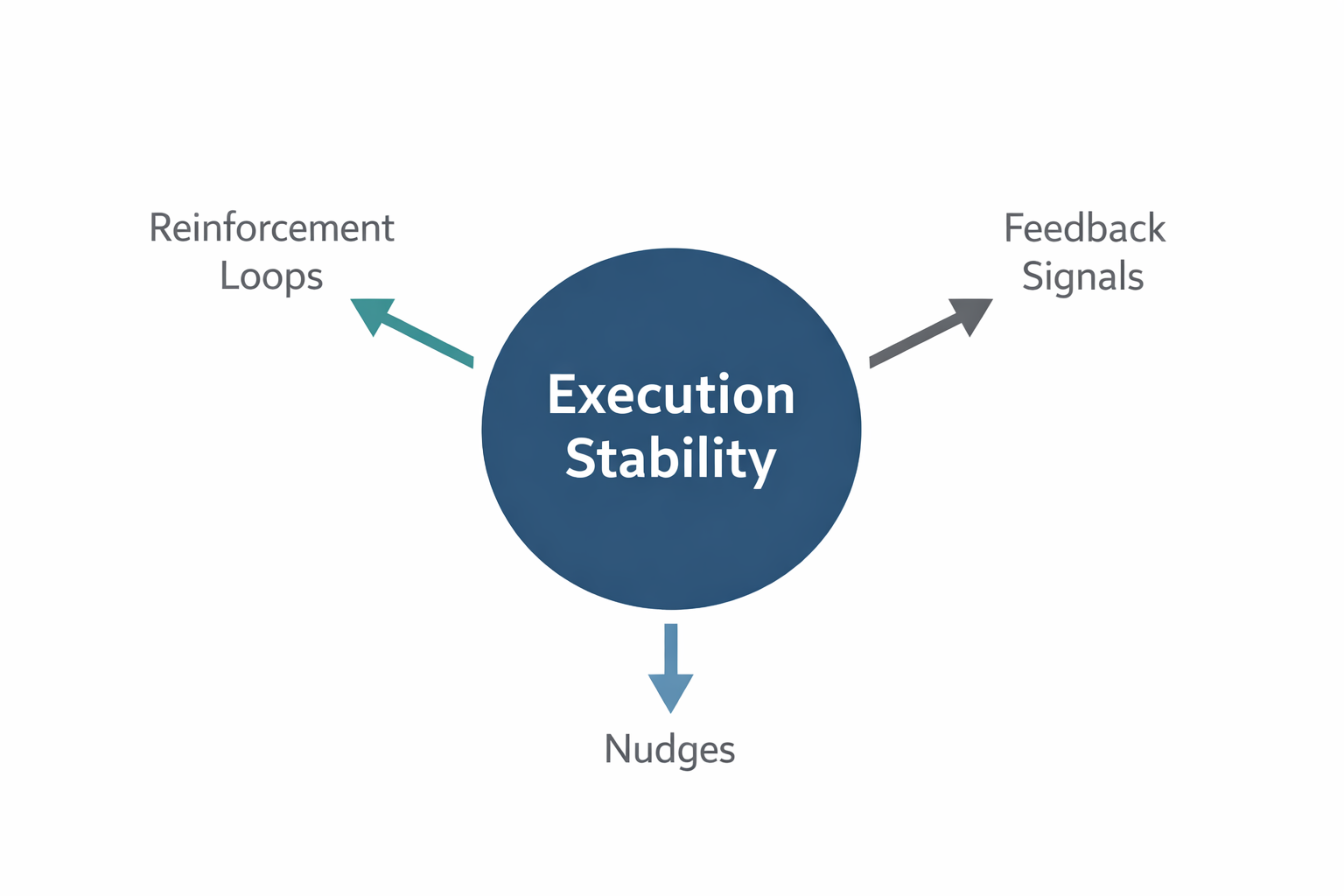
Reinforcement matters because it anchors execution back to leadership intent when conditions change.
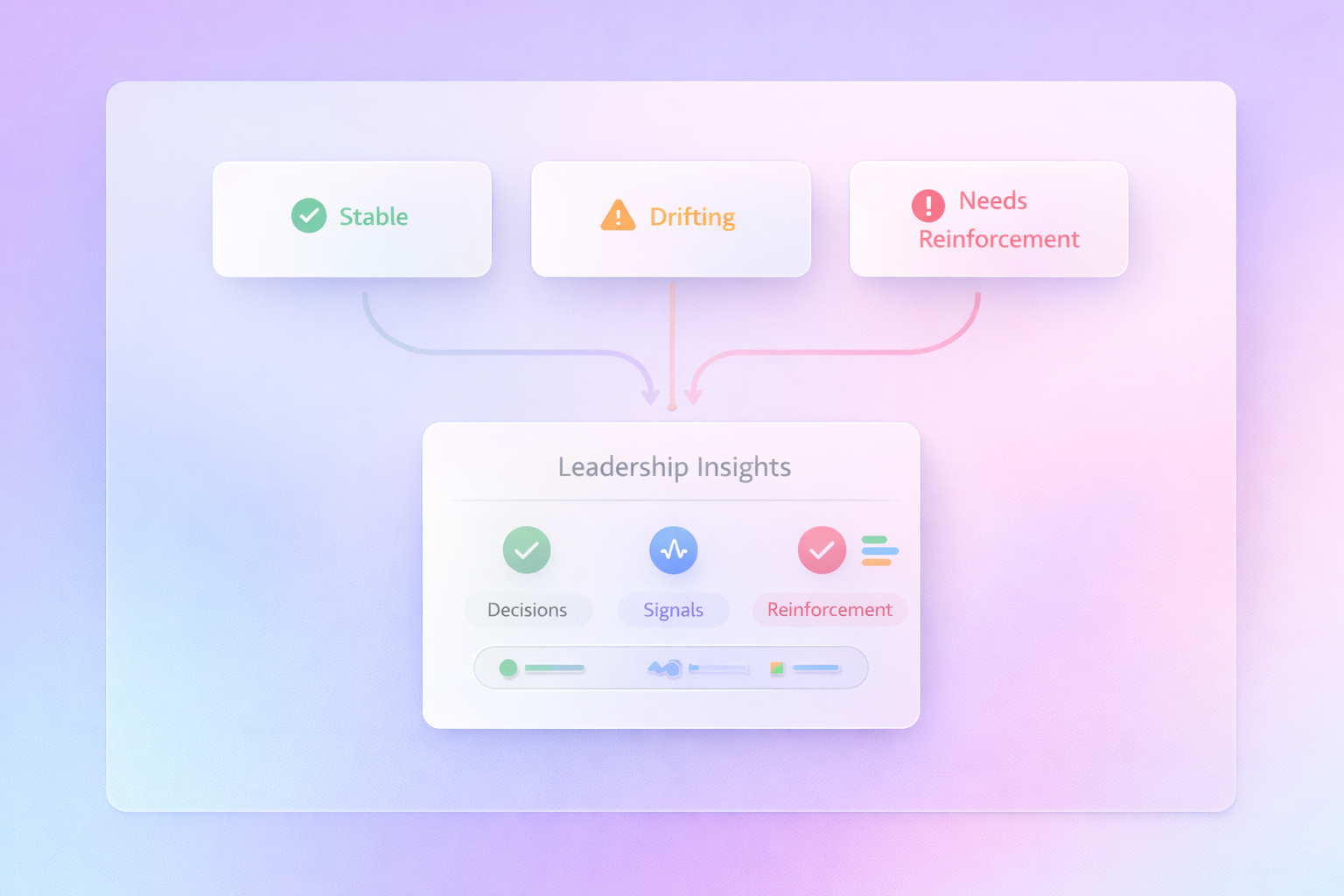
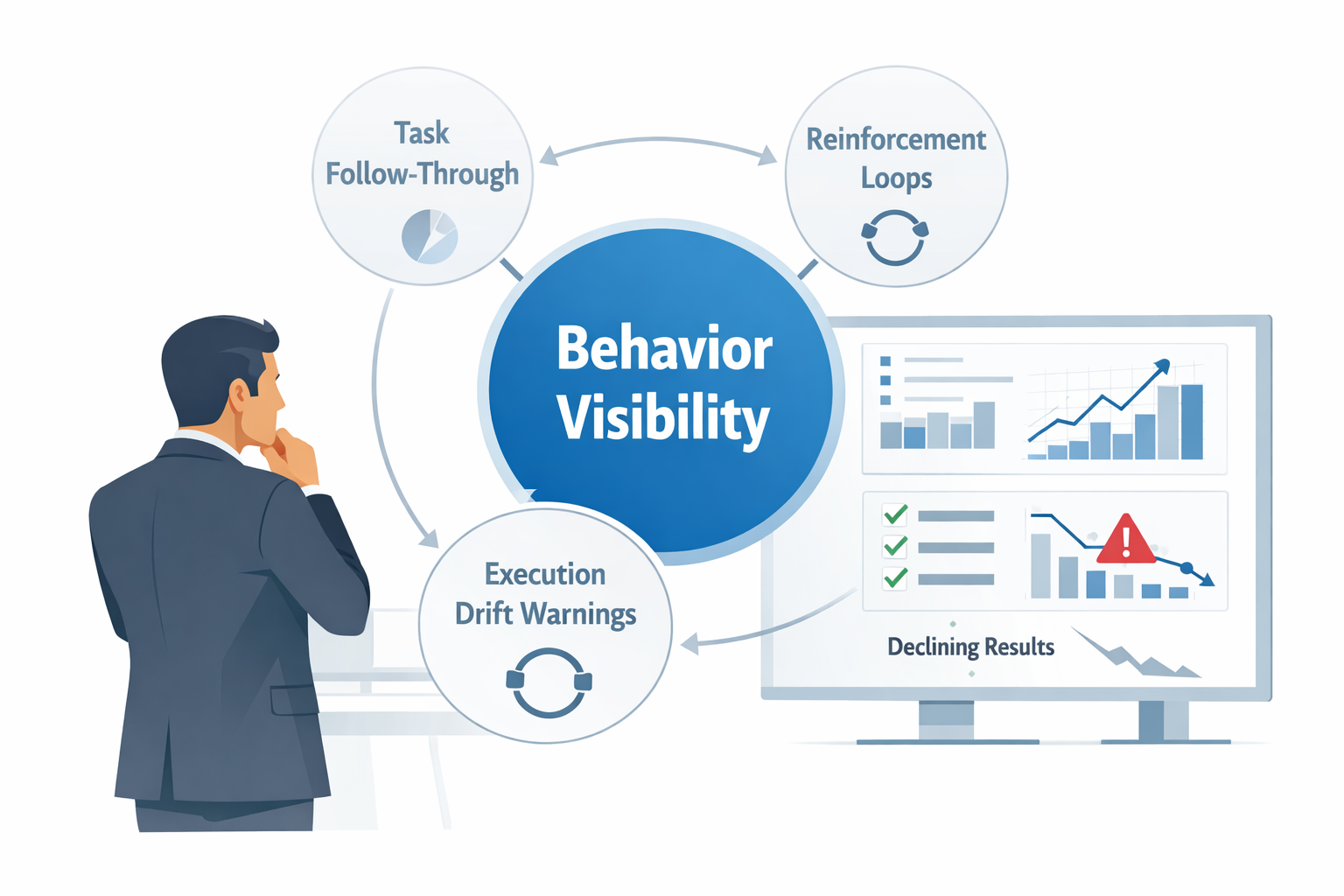
But reinforcement only works when leaders have visibility into:
- where follow-through is weakening
- how widespread the drift is
- whether reinforcement is restoring stability
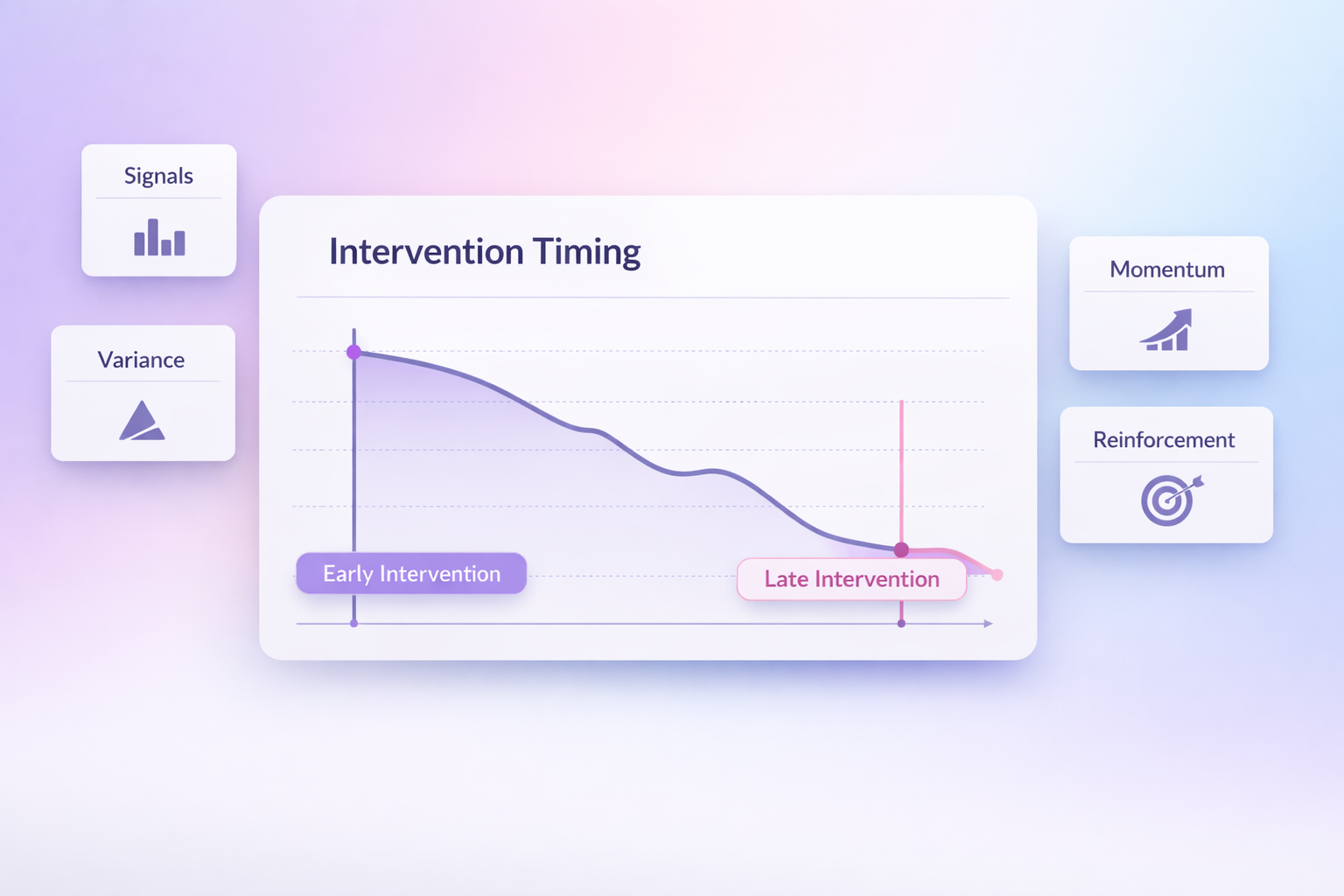
Without this visibility, leaders tend to act too late or too broadly.
They reinforce everything, which weakens priorities.
Or they intervene after outcomes have already moved.
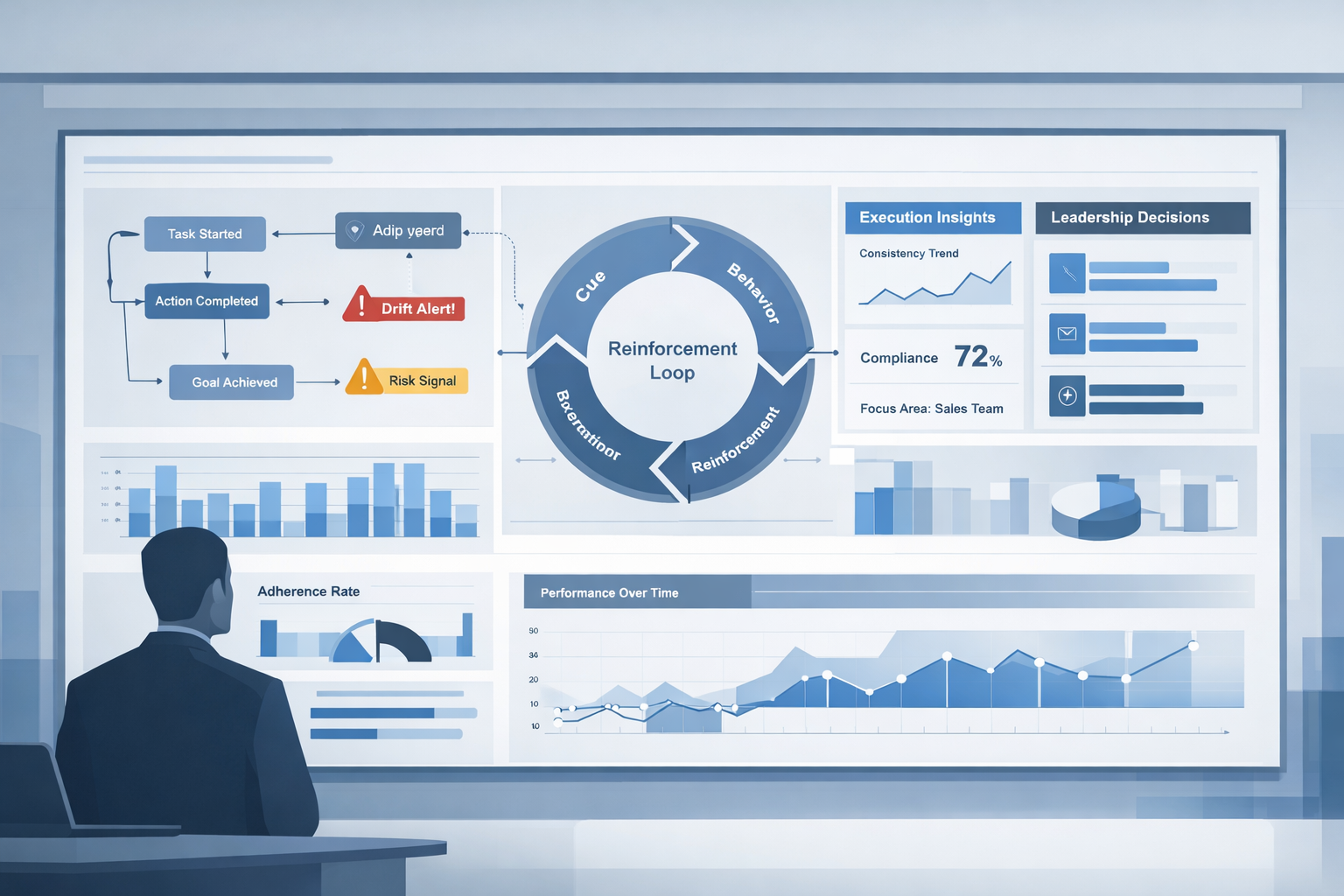
Behavior Analytics for Execution exists to solve this problem.
Not as a reporting tool.
Not as a motivation system.
But as a leadership capability that makes execution stability visible.
It allows leaders to:
- detect drift early
- reinforce selectively, not everywhere
- intervene precisely, before results degrade
Reinforcement, in this context, is not encouragement.
It is a governance mechanism that protects the few actions that matter most.
When reinforcement is applied early and objectively, execution remains reliable – even as pressure increases.
Leadership Begins Where Strategy Ends
Execution rarely fails dramatically.
It fails quietly – through erosion, uneven follow-through, and missed signals.
The leadership role is not to manage people harder.
It is to govern the conditions that keep critical actions happening when attention moves on.
Strategy is the decision.
Leadership is what survives after the announcement.
That is how execution holds under real conditions.